 EN
ntroduction to Modern Surface Enhancement and UV Coating
When stepping into the fast-moving world of polymer manufacturing and architectural decoration, you quickly realize that surface finishing can completely make or break a product's market success. For years, manufacturers of PVC panels, interior wall boards, furniture sheets, and decorative composite profiles searched high and low for advanced methods to upgrade visual appeal without ever sacrificing stringent environmental standards or keeping production lines moving at a crawl. The arrival and commercial maturation of ultraviolet coating technology completely flipped the script. Based on practical insights gathered straight from plastic processing floors worldwide, transitioning away from messy, traditional solvent varnishes toward eco-friendly UV-curable systems has dramatically slashed volatile organic compound emissions while supercharging daily output efficiency. Today, getting a firm grip on what a UV coating machine is, how its internal mechanical parts talk to each other, and mastering its operational flow has become an absolute must for any forward-thinking manufacturing plant aiming to capture top-tier market share.
Defining the UV Coating Machine and Its Anatomy
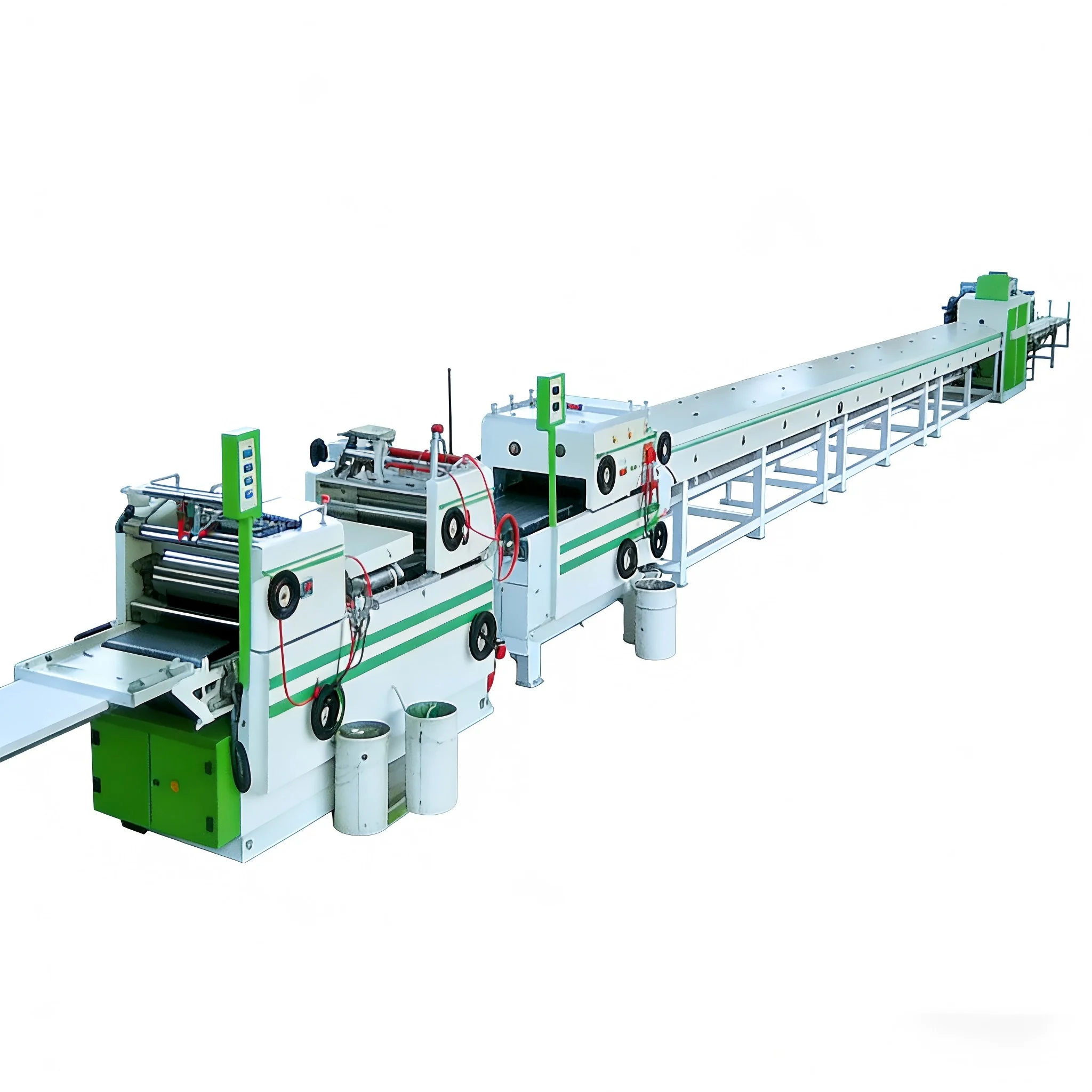
At its core, a UV coating machine is a heavy-duty, highly sophisticated industrial system built specifically to lay down a protective or decorative liquid layer onto flat substrates—think PVC panels, artificial marble sheets, WPC boards, and ceiling tiles—and cure that layer almost instantly using intense ultraviolet energy. Unlike old-school air-drying or thermal evaporation methods that demand hours of waiting and release harsh fumes, a modern UV coating line runs entirely on rapid photo-polymerization chemistry. When you look under the hood, a standard commercial unit brings together several synchronized stations: a multi-stage dust cleaner with anti-static brushes, precision roller coaters boasting micrometer-level adjustments, infrared leveling tunnels designed for smooth flow-out, and multi-lamp curing chambers with custom reflector hoods. From a pure engineering perspective, keeping the mechanical feeding and optical curing perfectly synchronized guarantees that every single square millimeter of the substrate gets an impeccably even coat, delivering either a brilliant mirror-like gloss or a sophisticated, velvety matte finish that easily handles everyday wear and tear.
Step-by-Step Operational Workflow of UV Curing
The real magic of an automated UV coating setup lies in its continuous, smooth, and highly efficient workflow. According to established industrial best practices, the automated production journey kicks off the moment a raw, laminated, or printed sheet rolls onto the high-speed feed conveyor:
-
Surface Preparation and Cleaning: An automated brushing unit teams up with a powerful vacuum dust collector to wipe out microscopic debris, stray dust, and residual particles, making sure you never run into annoying pinholes, bumps, or surface blemishes.
-
Thermal Pre-heating: The clean board glides smoothly through a controlled infrared heating zone, which optimizes surface energy, kicks out any lingering ambient moisture, and supercharges the board's bonding capacity.
-
Precision Roller Coating: High-precision metering and application rollers lay down the liquid UV varnish evenly across the flat surface at line speeds that easily keep pace with factory demands, often hitting rapid output rates depending on fluid viscosity.
-
Infrared Leveling: The freshly coated panel travels steadily through an enclosed infrared leveling tunnel, giving the liquid film time to flow out naturally and evenly so you never have to worry about micro-ripples or orange-peel textures.
-
UV Solidification and Curing: High-intensity UV lamps beam down precise wavelengths that instantly trigger active photo-initiators inside the liquid varnish, turning it into an ultra-hard, tightly cross-linked polymer film in less than three seconds flat.
Unlocking Superior Efficiency and ROI with UV Technology
Looking at things from both a business and technical standpoint, bringing a state-of-the-art automated UV coating machine onto the floor delivers massive, measurable returns on investment for mid-sized to large manufacturing outfits. On the technical side, UV-cured surfaces bring extraordinary mechanical hardness, fantastic scratch and abrasion resistance, top-notch defense against household cleaners, and rock-solid anti-yellowing protection compared to older solvent coatings. From a commercial angle, instant UV curing completely wipes out the need for sprawling warehouse drying racks and massive drying bays, shrinking factory footprints and slashing labor overhead. Furthermore, because UV coatings contain nearly one hundred percent reactive solids with zero organic solvents evaporating into the workshop air, they easily clear strict international environmental rules. This powerful combo of tough product durability and effortless eco-friendly compliance hands manufacturers a serious, long-term competitive edge in global markets.
Empowering Modern Production Lines with Advanced Engineering Solutions
Pulling off flawless, market-leading UV-coated plastic surfaces takes a lot more than just knowing how the technology works—it calls for a rock-solid partnership with a seasoned, trusted machinery manufacturer. Backed by decades of deep industrial expertise rooted in precision plastic machinery engineering, Yingkou has built an outstanding global reputation for designing and delivering high-performance production equipment. Specializing in complete, turnkey manufacturing setups ranging from heavy-duty PVC panel extrusion lines to fully automated UV coating machines and custom post-processing units, Yingkou blends rigorous manufacturing muscle with an agile, customer-focused supply chain network. By integrating smart automated control logic, energy-saving curing architectures, and tailor-made machine configurations built around specific factory floor layouts, Yingkou continuously helps international enterprises scale up their manufacturing capacity smoothly. This ongoing commitment guarantees superior product finishes, reliable operational stability, and lasting business growth for partners navigating diverse cultural and industrial landscapes across the globe.