Profile Extruder for PVC Profiles | Minzheng

Get a Free Quote

Our representative will contact you soon.
Email
Name
Mobile
Message
0/1000

Profile Extruder for PVC Building Profiles

A profile extruder helps a maker form PVC building and trim products. Use this page to plan a profile extruder project for window parts, door parts, corner lines, wall panels, or ceiling panels. Start with the finished shape. Then note the material, size, and work needed after the profile leaves the line. A profile extruder quote is more useful when these details are clear. Yingkou Minzheng Plastic Machinery serves the plastic extrusion field and building-material makers. Its catalog includes several PVC profile applications. Review the listed machines. Then send the product shape, key sizes, material details, and required line scope. This gives the team a clear base for a profile extruder discussion.
Get A Quote

Relevant Extrusion Context

These points state the confirmed business context for this profile-extruder inquiry.

Plastic Extrusion Focus

Yingkou Minzheng Plastic Machinery works in the plastic extrusion field. This keeps the discussion on the steps that form PVC into a finished profile.

Building Material Scope

Its stated audience includes building-material makers. The selected machines cover window, door, wall-panel, ceiling-panel, and trim applications.

Selected Profile Extruder Equipment

Four catalog machines for PVC profile-related production applications.
Profile Applications in One Scope

Profile Applications in One Scope

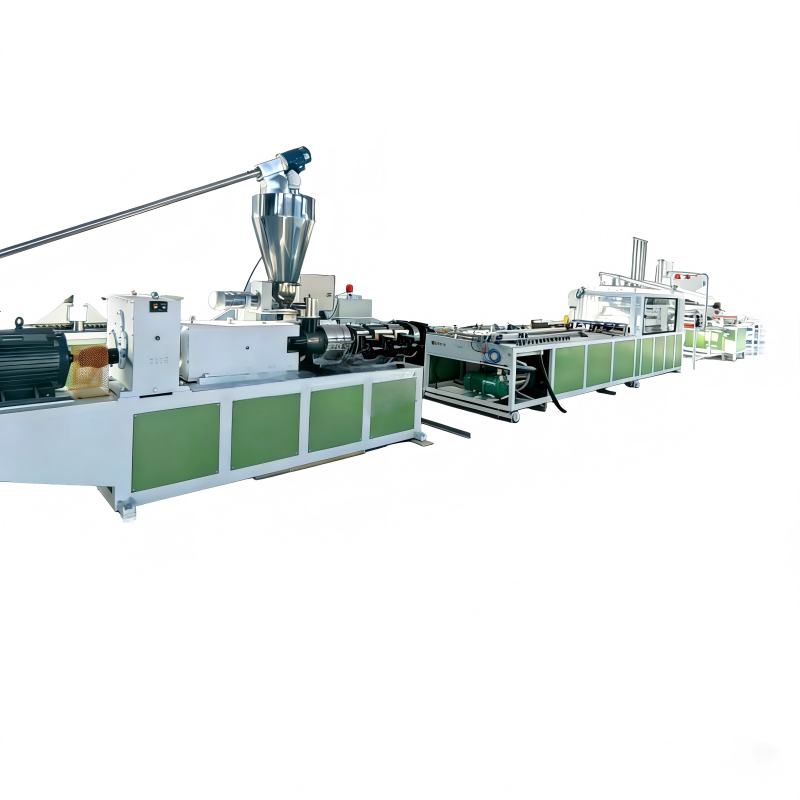
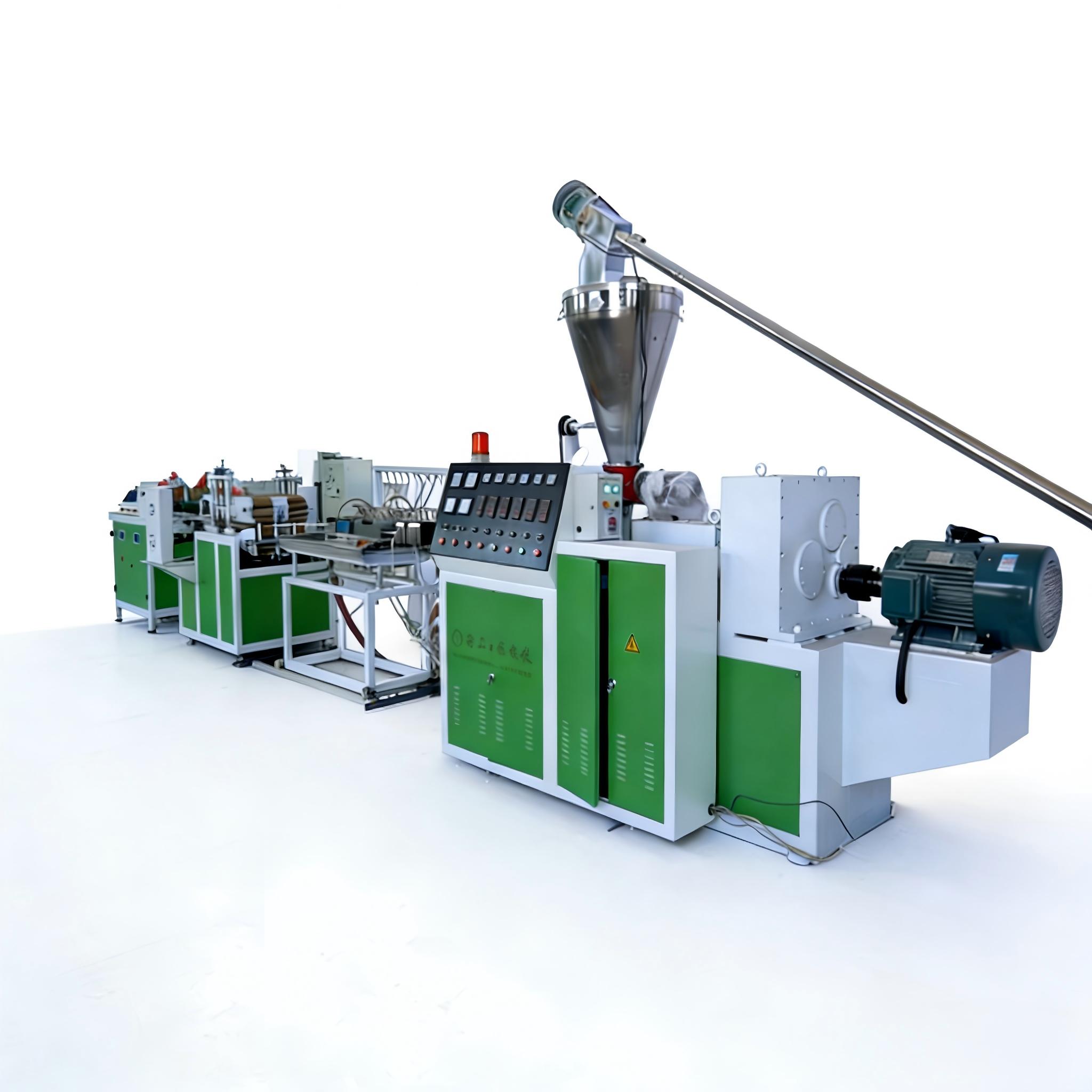
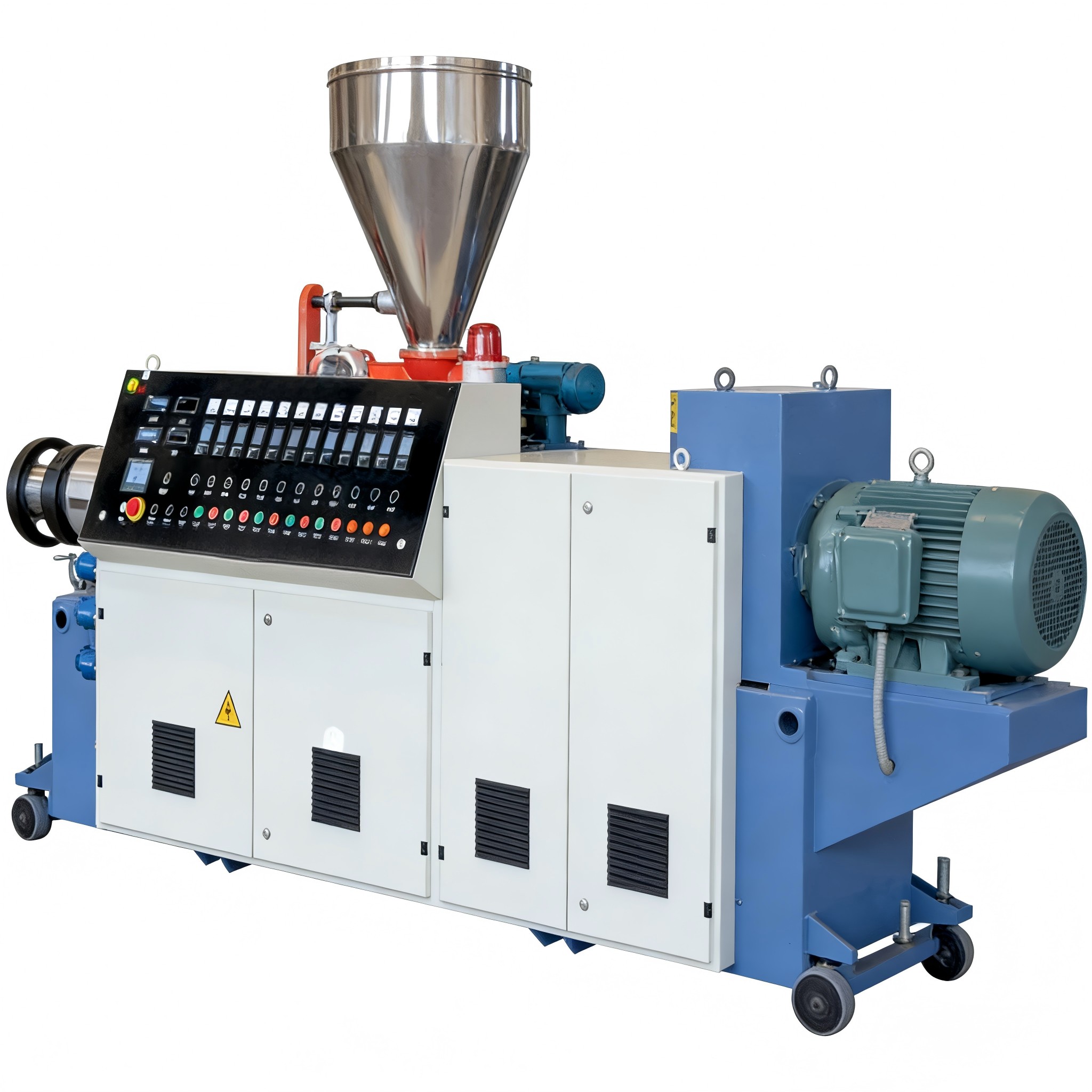
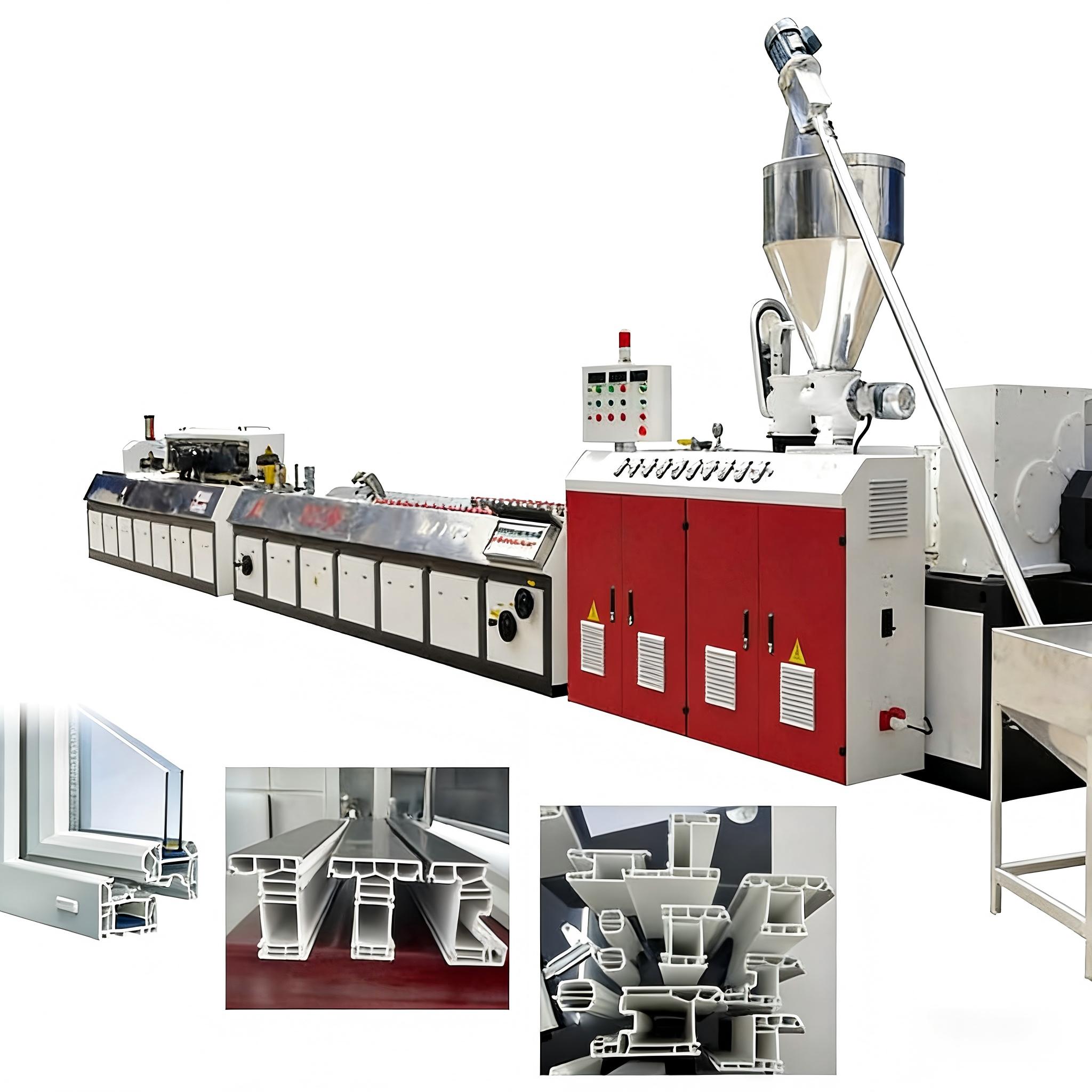
The selected catalog has a profile extruder direction for PVC window and door profiles. It also has options for corner lines, door panels, wall panels, and ceiling panels. This helps a buyer sort the project by finished product. A profile extruder for a slim trim part may need a different scope than a machine for a wide panel. Define the product first. Then discuss the right catalog direction.

Start With the Finished Part

A profile extruder project starts with the finished part. Do not start with a broad machine name. State the cross section. State the use. State the size. Say if the output is a window profile, door profile, corner line, wall panel, ceiling panel, or trim part. A drawing helps. A sample also helps. It shows the shape that the profile extruder must make.

Give the key facts in simple form. List the width, thickness, or other key sizes. Say which PVC material system you plan to use. Note if the part needs a finish after it leaves the profile extruder. This could be cutting, stacking, or a surface step. These facts make the first profile extruder talk clear. They also show what the profile extruder must support for the chosen shape.

Choose the Product Direction

A profile extruder can serve more than one product group. Yet each group has its own needs. The Energy-Saving PVC Window & Door Profile Making Machine is listed for PVC window profiles, door profiles, curtain-wall profiles, and decorative profiles. It is one profile extruder direction for those product types.

The Automatic Dual-Output PVC Corner Making Machine is listed for PVC corner lines. The Fully Automatic PVC DOOR Panel Machine is listed for PVC door panels, door skins, and inner door core panels. The PVC Wall & Ceiling Panel Making Machine is listed for wall panels, ceiling panels, cornice profiles, and skirting boards. Use these names to narrow the profile extruder discussion. Do not assume one line fits every product.

Plan the Material and Shape

Tell the supplier what PVC material you plan to process. Share any limits that matter to the product. Then show the target shape. A profile extruder quote needs the form of the part, not only its market name. A simple sketch can show lips, grooves, ribs, or hollow areas. A photo can show the look that you need.

  • Send a drawing, photo, or sample of the finished part.
  • Name the use, such as window frame, door part, corner trim, wall cladding, or ceiling trim.
  • List the sizes that matter for the finished PVC profile.
  • Say if the part needs a special surface step after it leaves the profile extruder.

If you plan a set of shapes, rank them. Pick the first shape for the profile extruder review. Then list the other shapes as later options. This shows if they are close variants or if they may need a new project scope. It also keeps the first profile extruder review focused on one clear part.

Set the Line Scope

The words profile extruder can mean one machine. They can also mean a full line. State which meaning fits your inquiry. Say if you need only the profile extruder. Or say if you want to discuss the full path from feeding to finished-part handling. This choice guides the next talk.

The selected product records refer to steps such as feeding, shaping, cooling, cutting, stacking, printing, and lamination. These steps do not apply to every project. Treat them as items to confirm. Tell the supplier which steps you already have. Tell them which steps you want to add. A clear profile extruder scope avoids a vague request. It gives the profile extruder inquiry a clear start.

Prepare a Clear Request

A good profile extruder request is short and specific. Name the product. Add the material information. Give the key sizes. Attach a drawing or photo. State the use. Then say if you need a full line or one part of a line. If a surface look matters, state that too.

For example, a buyer can say that a profile extruder is needed for a PVC window profile, give the profile drawing, and state the desired handling after the profile is formed. Another buyer can ask about a profile extruder for a corner line and show the target section. These are useful starting points. They let the supplier discuss the catalog path and the open choices without making assumptions. Each profile extruder request stays tied to a real product shape.

Profile Extruder Questions

Buyer questions to prepare a profile-extrusion equipment inquiry.

What defines a profile extruder project?

Start with the finished PVC part. Send the cross section, use, material details, and key sizes. Add a drawing, sample, or photo when you can. Say if you need a full line or only a profile extruder. Also state what must happen after the profile is formed. A cut, stack, or surface step may be part of the project. These details give the supplier a clear base for the profile extruder project. They also help prevent a broad machine name from replacing the actual product requirements.
The selected catalog covers more than one product type. One profile extruder direction is listed for window, door, curtain-wall, and decorative profiles. Another machine is listed for PVC corner lines. Other listed machines cover PVC door panels and PVC wall or ceiling panels. Choose the direction that is closest to your output. Then share the exact shape and size. The final profile extruder scope should be checked against the real product, not guessed from a title.
A buyer may plan more than one shape. List each shape in the inquiry. Put the first product first. Include drawings for the main variants. This lets the supplier see whether the shapes are close enough for one profile extruder discussion. It also shows when a wider panel or a different profile family needs a separate review. Do not treat all PVC products as the same project. The cross section and product use remain important.
Send the product use, PVC material information, key dimensions, and a drawing or image. State if the product is a window profile, door profile, corner line, door panel, wall panel, ceiling panel, or another part. Say which work stages you want to discuss. Mention equipment already in use if it matters. A profile extruder quote can then focus on the actual project. It does not need to rely on assumptions about the form or line scope.

Get a Free Quote

Our representative will contact you soon.
Email
Name
Mobile
Message
0/1000

Continue Your Research

Newsletter
Please Leave A Message With Us