Start With the Finished Product
An extrusion moulding machine makes a continuous PVC product. First, name that product. It may be a window profile, door profile, pipe, wall panel, or ceiling panel. The extrusion moulding machine must fit the product shape. It must also fit the planned material and mould. A clear product brief makes the next steps easier.
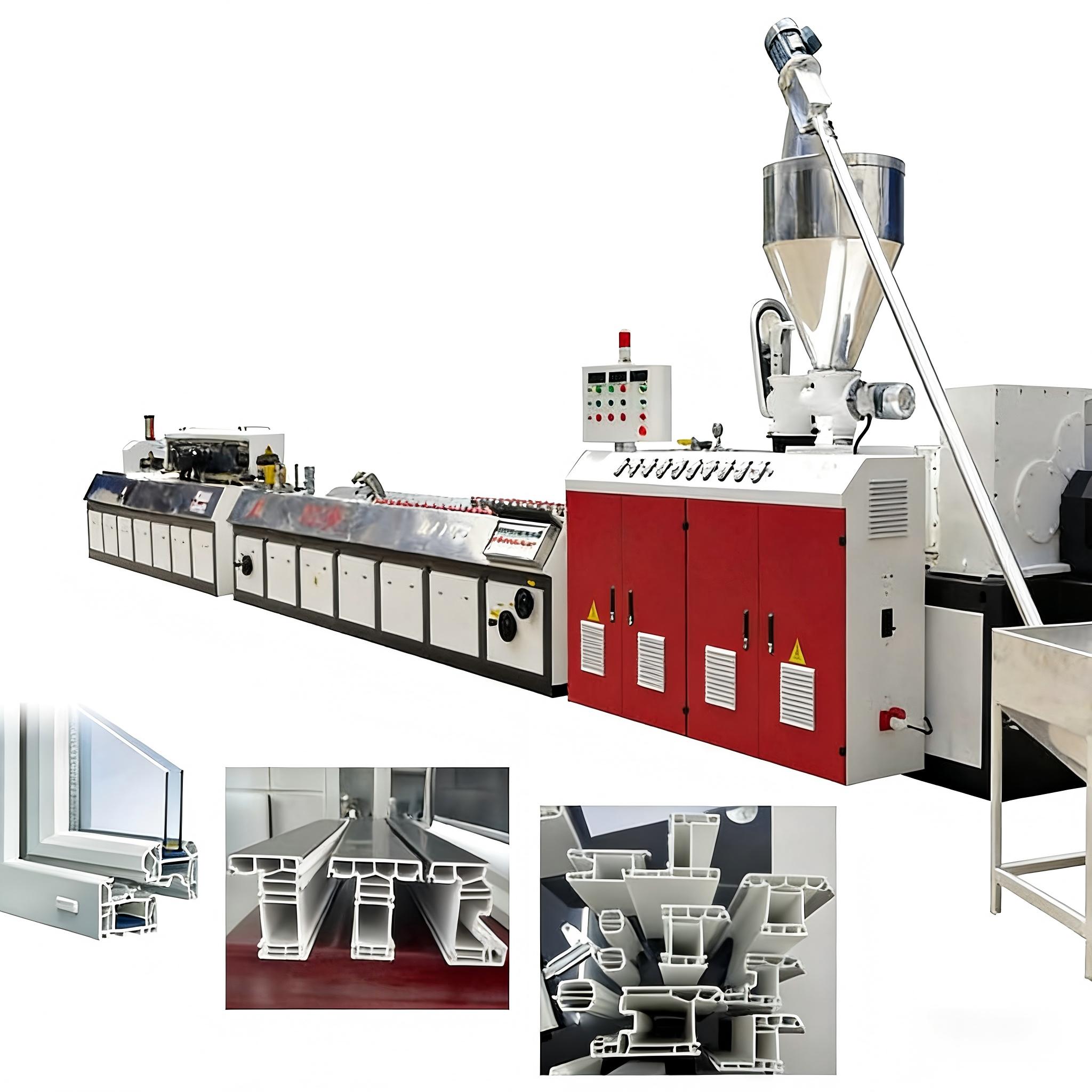
For a profile project, share a section drawing or a sample. For a pipe project, state the material and diameter range. For a panel project, state the width, thickness, and finish. An extrusion moulding machine for a profile is not the same as an extrusion moulding machine for a pipe. The product form guides the line discussion.
Match the Line to the Application
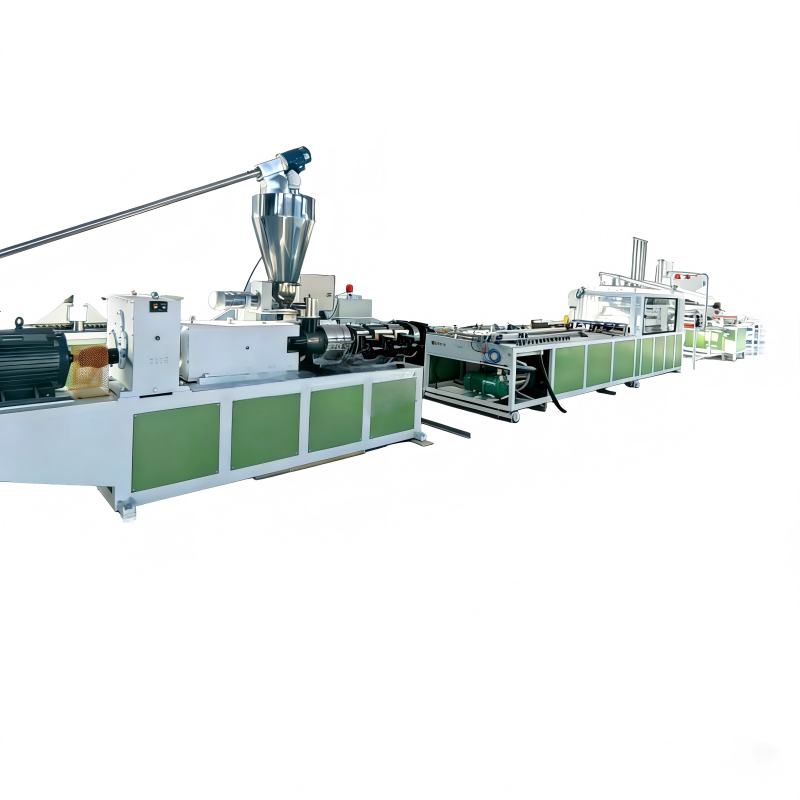
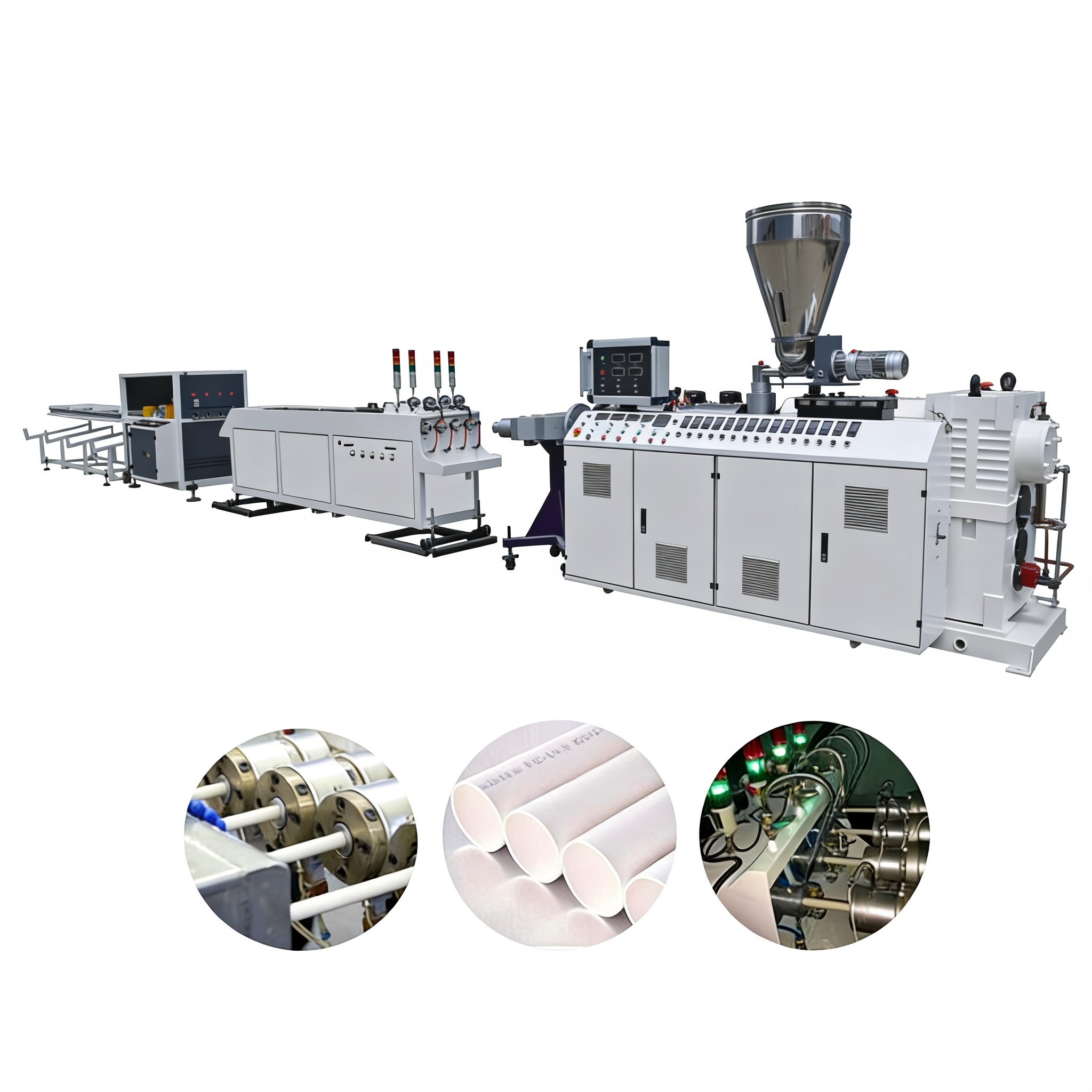
The listed product range gives four starting points. The Energy-Saving PVC Window & Door Profile Making Machine is for PVC window, door, curtain-wall, and decorative profiles. The PVC One Out Four Pipe Production Line is for PVC pipe production. The PVC UPVC CPVC Pipe Production Line is for PVC, UPVC, and CPVC pipe work. The PVC Wall & Ceiling Panel Making Machine is for wall panels, ceiling panels, cornice profiles, and skirting boards.
Choose an extrusion moulding machine by the end product, not only by a broad name. A profile line uses a moulding path for shaped sections. A pipe line uses a moulding path for pipe output. A panel line uses a moulding path for panel products. Tell the supplier which of these paths you need. This helps keep the extrusion moulding machine quote relevant.
Describe the Material and Product Shape
Material details matter. The listed pipe lines cover PVC, UPVC, and CPVC contexts. The profile and panel lines cover PVC product contexts. State the material family you expect to use. State if you need one product type or several types. An extrusion moulding machine proposal needs these facts before its scope can be discussed.
- Give the planned PVC product and its use.
- Share a drawing, sample, or simple section description.
- Name the material family for the extrusion moulding machine.
- List the downstream stages you expect in the line.
Do not rely on a general equipment term alone. A short product description can show whether the extrusion moulding machine should support profile, pipe, or panel work. It can also show which moulding details need review. This keeps the enquiry direct and useful.
Set Out the Line Scope
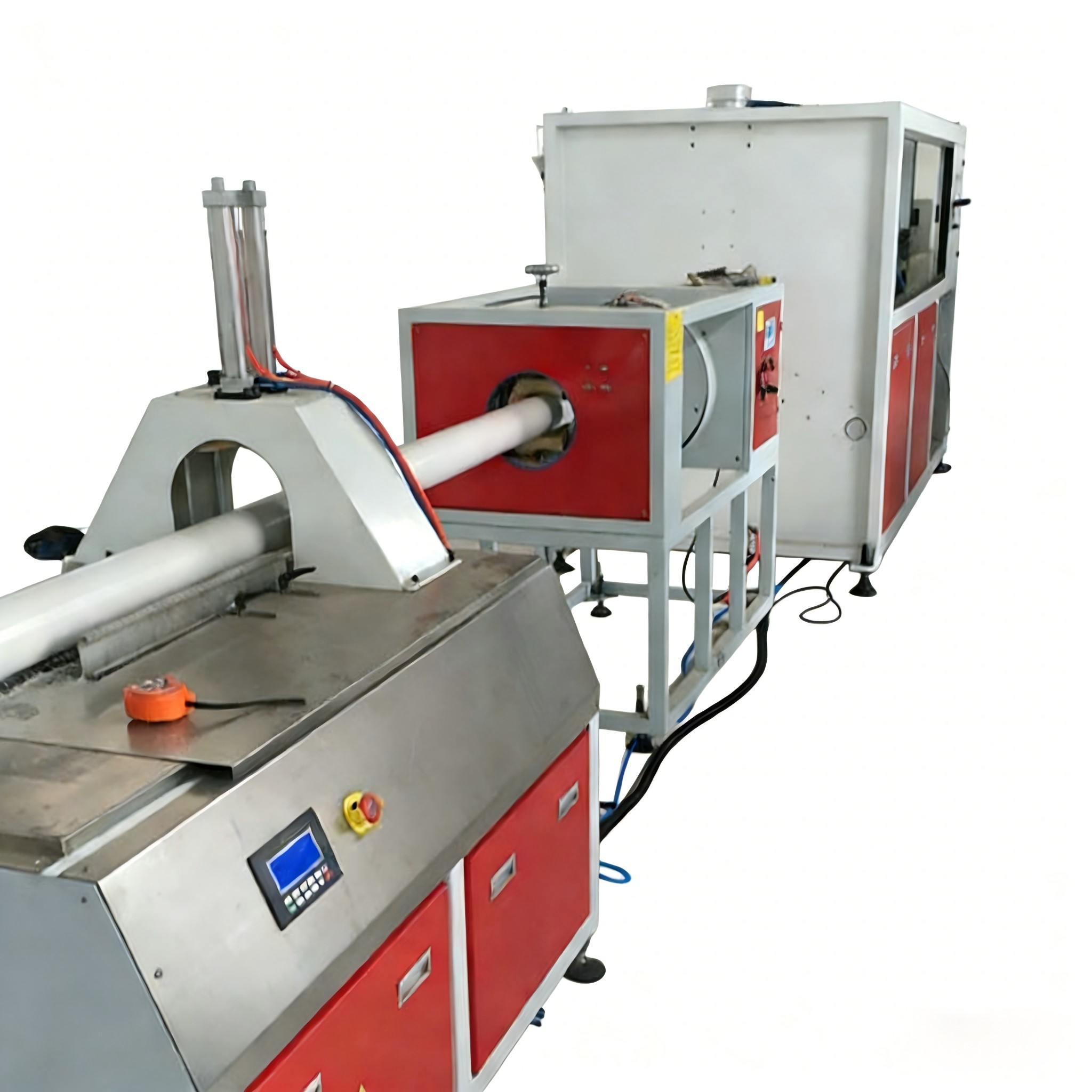
An extrusion moulding machine is part of a connected route. That route can include material preparation, extrusion, moulding, cooling, traction, cutting, and product handling. The required sequence depends on the product. The pipe records describe routes that include mixing, extrusion, moulding, cooling, traction, and cutting. The profile and panel records also point to shaping and finished-product handling.
Ask which stages are included in the proposed extrusion moulding machine line. State which stages you already have. State which stages you want to add. This makes line boundaries clear. It also helps identify connections between moulding, cooling, movement, cutting, and collection.
Prepare an Equipment Enquiry
A useful enquiry need not name a final model. It should explain the product and the process. Include dimensions, material, product form, and expected line stages. Add photos, drawings, or sample details when available. If you need a special surface or profile, describe it clearly.
For pipe work, say whether the project uses PVC, UPVC, or CPVC. For profile work, state the section and use. For panel work, state wall panel, ceiling panel, cornice profile, or skirting board. Then explain the stages you need. This lets a supplier assess the extrusion moulding machine application without guessing.
Use the Listed Products as References
The four products are starting references. They do not mean one line fits every project. Review the product titles and application focus. Then send the details of the product you want to make. A good request lists product form, material, approximate dimensions, line stages, and existing equipment. It gives an extrusion moulding machine discussion a practical starting point.
 EN