 EN

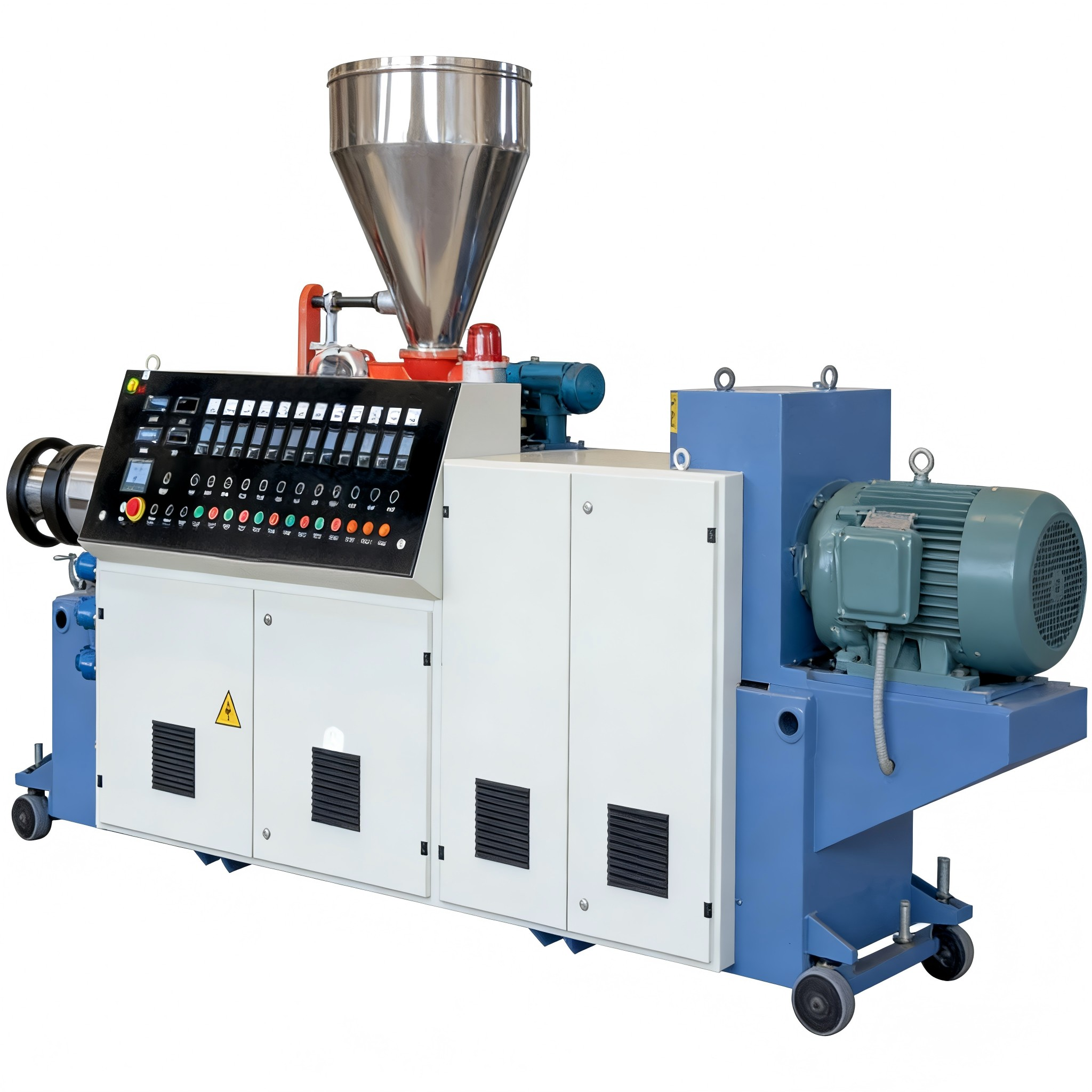
When walking down a newly built street, stepping inside a modern commercial office building, or observing the window frames lining a quiet suburban home, observers are constantly surrounded by the incredible results of advanced polymer processing technologies. Behind all these everyday plastic profiles, rigid pipes, and durable siding materials lies a heavy-duty industrial secret that keeps modern infrastructure moving forward: the pvc extrusion machine. For anyone stepping into the competitive plastics manufacturing sector, or seasoned plant managers looking to optimize their daily production lines, understanding what this specialized machinery actually does and how it transforms raw chemical powders into high-grade industrial goods is absolutely essential. Exploring the core mechanical processes, practical shop-floor operational insights, and long-term commercial value can help clarify what truly drives modern polymer manufacturing ahead in today's fast-paced global economy.
Understanding the Mechanics Behind Continuous Industrial Production
At its very core, a modern pvc extrusion machine is engineered to turn raw polyvinyl chloride resin, usually blended with various thermal stabilizers, plasticizers, and custom colorants, into a continuous, highly uniform profile. The manufacturing cycle kicks off right at the main feed hopper, where dry raw materials are gravity-fed or pneumatically pumped into a heavily heated steel barrel. Inside this enclosed barrel, one or two heavy-duty industrial screws rotate continuously, creating immense frictional heat and mechanical shear against the inner walls. As the polymer moves steadily forward through distinct heating zones, it melts down from a dry powder into a thick, homogenous paste. This molten plastic is then forced at extremely high pressure through a specially engineered steel die, instantly shaping it into whatever form the precise die geometry dictates, whether that is a rigid drainage pipe, a hollow window profile, or a flexible electrical conduit. Following the die head, the freshly shaped extrusion immediately enters a specialized vacuum calibration tank and a continuous water-cooling bath to lock in its exact cross-sectional dimensions before being hauled off and automatically cut to precise lengths.
Real-World Plant Insights and Advanced Melt Flow Control
Running a high-speed production line smoothly is rarely as straightforward as simply turning on a motor and letting it run, especially when dealing with the unique chemical nature of polyvinyl chloride. Decades of hands-on factory floor experience demonstrate clearly that PVC is notoriously sensitive to thermal fluctuations. If the barrel heating zones drift even slightly too high during a run, the polymer begins to degrade thermally, turning brittle, discolored, and ultimately ruining an entire batch of expensive product. That is precisely why professional-grade extrusion machinery relies heavily on multi-stage digital temperature controllers, forced-air cooling jackets, and specialized conical twin-screw configurations. These advanced setups ensure superior material mixing, efficient release of trapped volatile gases, and a steady, highly predictable melt flow throughout the entire run. Keeping a watchful eye on screw speed, motor torque fluctuations, and internal melt pressure ultimately separates a struggling production facility from a smooth, highly profitable operation.
The Commercial Value and Scalability for Modern Global Manufacturers
Beyond the technical wizardry of precision screws and heated barrels, investing in a robust extrusion line is fundamentally a smart business decision aimed at maximizing overall return on investment. Modern manufacturing facilities demand industrial equipment that actively minimizes material waste, cuts down on unexpected maintenance downtime, and operates with reliable energy efficiency. Advanced automated control systems have completely revolutionized how operators monitor factory throughput, adjust hauling speeds in real-time, and synchronize automated cutting saws without manual intervention. Whether a manufacturing plant is ramping up production to supply massive municipal infrastructure projects with miles of durable water pipes, or churning out customized decorative wall panels for booming international housing markets, modular extrusion setups provide the crucial operational flexibility needed to pivot quickly without replacing the entire core machinery ecosystem.
Navigating Global Standards and Eco-Friendly Production Trends
Today’s global marketplace demands much more than just high output speeds and low unit costs; environmental sustainability, strict regulatory compliance, and long-term equipment reliability have become top priorities for industrial buyers everywhere. Leading industry authorities and international polymer associations continually push for closed-loop manufacturing processes, reduced power consumption, and lower carbon footprints during thermal polymer processing. Meeting these rigorous international standards requires partnering with reliable, experienced equipment builders who thoroughly understand global logistics, custom tooling requirements, and heavy-duty manufacturing support. Yingkou stands out prominently in this global landscape by combining decades of advanced machinery engineering expertise with responsive, comprehensive supply chain services. By consistently delivering custom-tailored extrusion lines, precise technical backing, and dependable after-sales assistance, Yingkou empowers international manufacturing partners to achieve long-term operational success, sustainable growth, and strong brand competitiveness across competitive global markets.