Start With the Profile Drawing
PVC angle extrusion starts with the finished profile. Send a cross-section drawing before you ask for a PVC angle extrusion line plan. The drawing should show both legs of the angle, wall thickness, corners, radii, lips, slots, holes, and other key details. Say if the part is a simple angle, a corner guard, an edge trim, or part of a larger building product. A clear drawing gives the PVC angle extrusion discussion a firm base.
Also describe where the finished part will be used. A visible trim may need a certain surface look. A protective edge may have a different goal. List the needed cut length, surface work, packing method, and later process steps. For PVC angle extrusion, these details help define the job. They do not assume that every PVC angle extrusion line has the same scope.
List the Main Process Steps
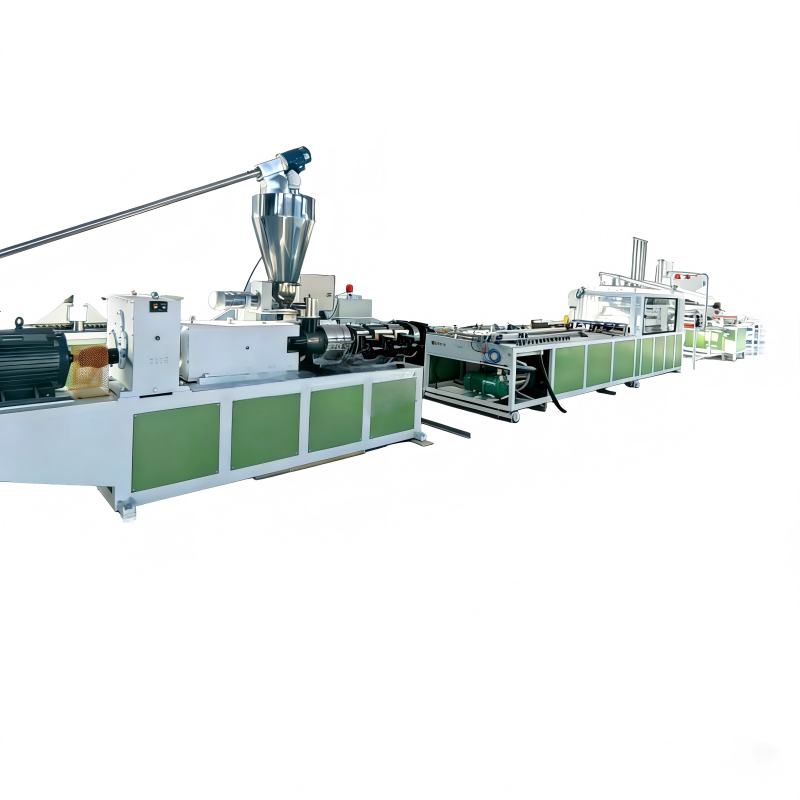
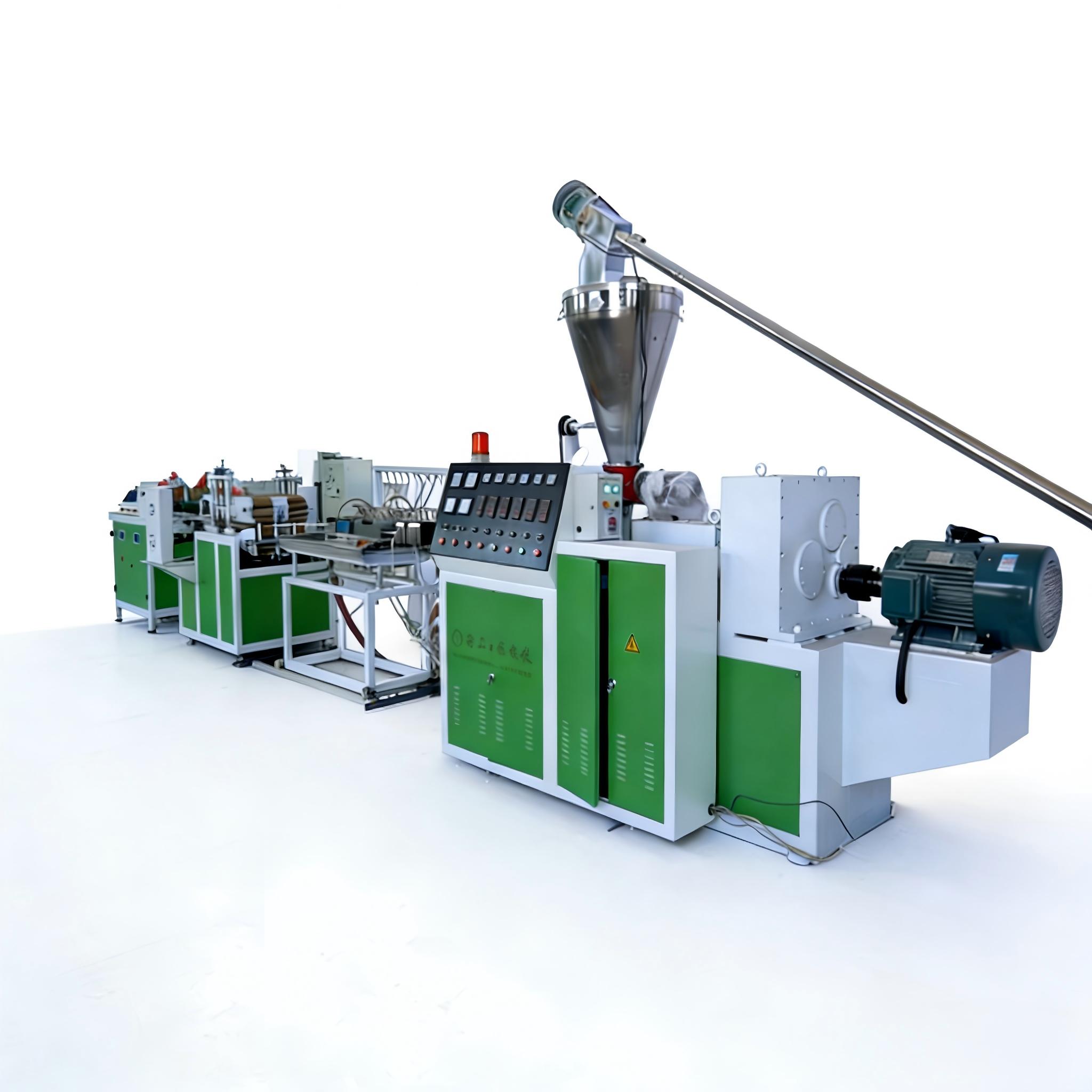
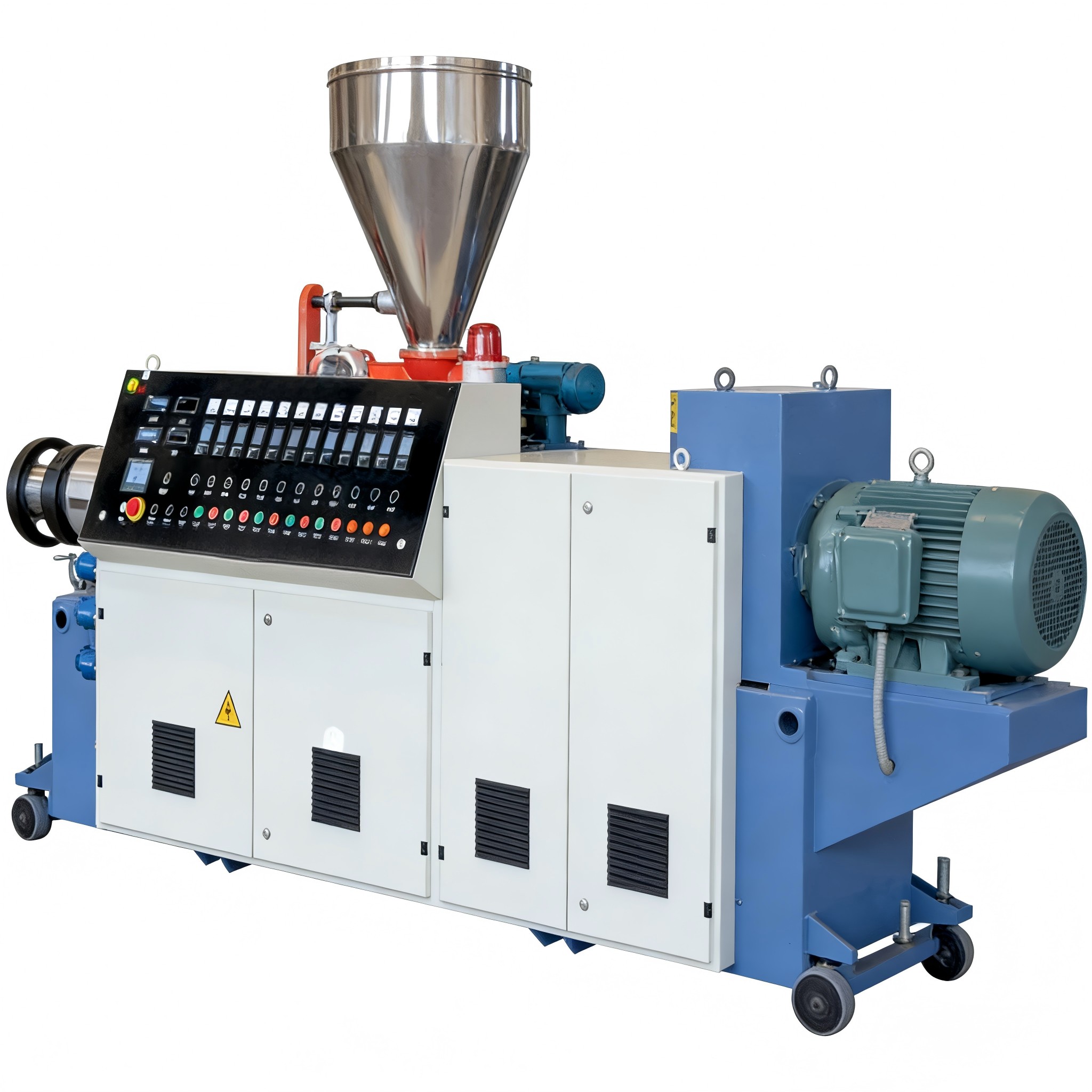
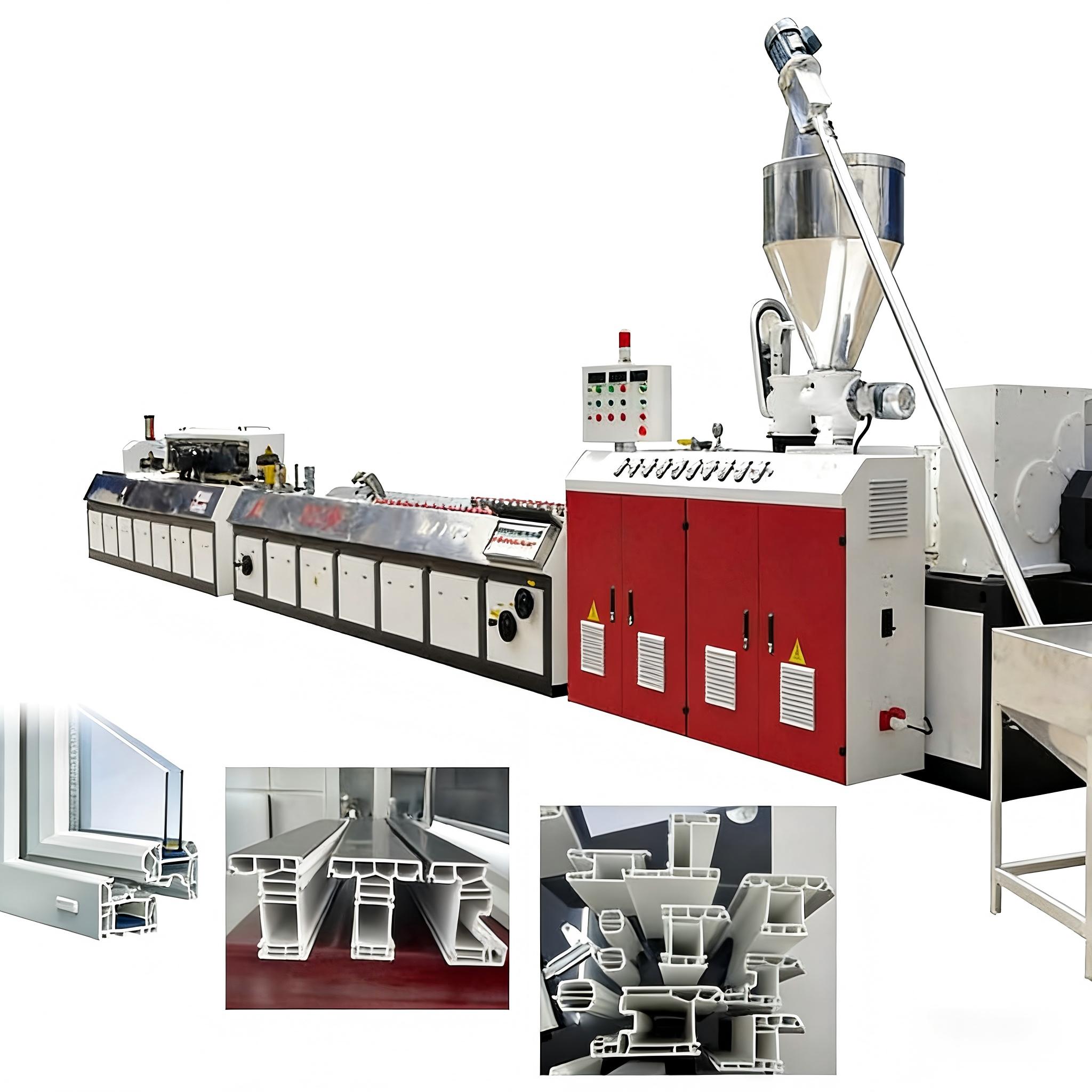
A PVC angle extrusion line can include material preparation, extrusion, forming, cooling, pulling, cutting, and collection. The right scope depends on the profile and on the equipment already in the buyer's plant. Map each handoff for the PVC angle extrusion project. This lets the buyer see what is needed and what may already be in place.
- For PVC angle extrusion, state the PVC material plan and any formulation details that the buyer can provide.
- For PVC angle extrusion, confirm the profile drawing and target size before tooling is discussed.
- List the cooling, haul-off, cutting, collection, printing, or lamination steps that the product needs.
- Describe how pieces will be checked, stacked, packed, or sent to the next work area.
This map keeps PVC angle extrusion practical. It also avoids treating a machine title as a full technical plan. A catalog item may fit the PVC angle extrusion project type, but the drawing and process details decide the final match.
Review Related Catalog Equipment
The product list gives useful context for PVC angle extrusion. The Automatic Dual-Output PVC Corner Making Machine is the closest catalog item for a corner-type profile. The Energy-Saving PVC Window & Door Profile Making Machine is a related profile-production reference. The PVC Wall & Ceiling Panel Making Machine and Fully Automatic PVC DOOR Panel Machine show other building-material categories in the catalog.
These names do not mean that one fixed machine is right for all PVC angle extrusion work. Use them to ask better questions. Compare the product category with the requested profile form, needed process steps, and planned end use. Then request a PVC angle extrusion recommendation based on the actual brief.
Prepare a Simple Project Brief
A short brief can make a PVC angle extrusion inquiry clearer. Include the PVC angle extrusion profile drawing, approximate size, target cut length, material description, end use, and any surface need. If the buyer has an existing line, list the equipment already in use. State which new stages must connect to it.
Separate known facts from open questions. Known facts can include the angle shape, end use, and available floor area. Open questions can include the cooling method, cutting method, collection method, or surface process. This is a useful way to discuss PVC angle extrusion options without presenting an uncertain feature as a settled fact.
Set the Supply Scope
For PVC angle extrusion, say what the buyer wants to source. The request may cover a full line, one extrusion stage, tooling, or downstream equipment. State the destination market and site conditions when they matter to the PVC angle extrusion project. These facts keep the discussion focused on the real task.
Compare each proposal against the same PVC angle extrusion brief. Check that it addresses the PVC angle extrusion profile, material input, process steps, and supply boundary. Ask for unclear items to be listed as options. This simple method helps production, engineering, and purchasing teams review the same project facts.
 EN