 EN
The Evolution of Sustainable Interior Architecture
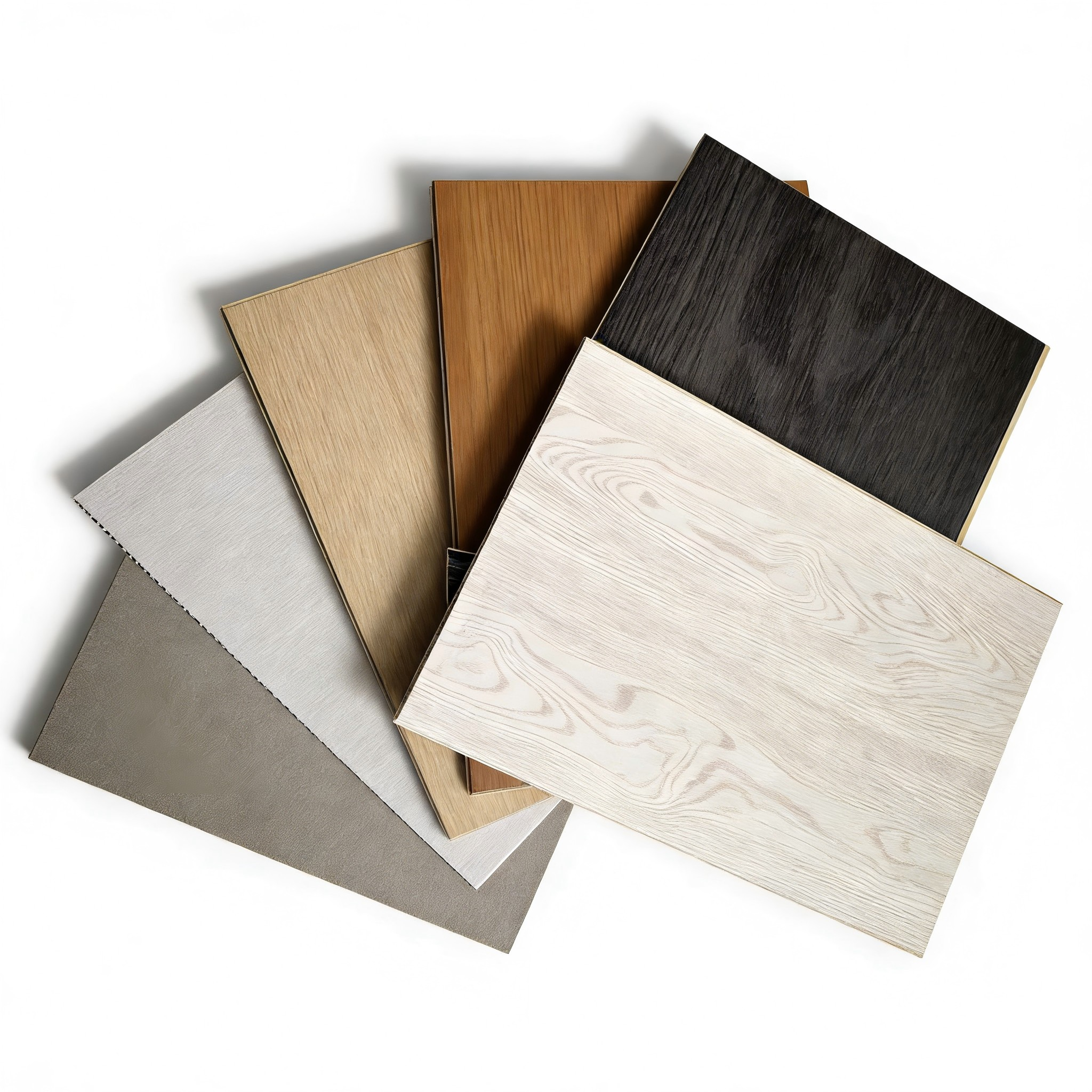
Modern architectural design has experienced a profound and irreversible shift away from purely visual aesthetics toward holistic indoor sustainability, environmental health, and ecological accountability. Among the most remarkable material science innovations driving this global transformation is the development of advanced wood-plastic composite materials. Builders, interior designers, and commercial property developers constantly search for reliable, long-lasting alternatives to traditional timber and conventional synthetic panels that do not compromise on structural integrity. By intelligently fusing recycled polymer matrices with reclaimed wood fibers and agricultural byproducts, modern manufacturing creates a high-performance alternative that bridges the gap between natural aesthetic appeal and modern durability. As global building standards increasingly embrace circular economy principles, understanding the comprehensive technical and commercial benefits of these innovative panels has become essential for anyone looking to future-proof residential and commercial real estate projects across competitive international markets.
Advanced Material Composition and Engineering Integrity
At the heart of any premium architectural surface lies a meticulously designed chemical and mechanical matrix optimized for maximum resilience and structural longevity. Extensive laboratory testing and professional material analysis demonstrate that blending high-performance polymers such as high-density polyethylene or polyvinyl chloride with fine wood flour produces a robust composite capable of withstanding extreme environmental conditions. Unlike natural timber, which absorbs moisture rapidly and becomes highly susceptible to fungal decay, warping, or termite infestation, these engineered composites maintain exceptional structural rigidity across fluctuating temperature ranges. The specialized industrial extrusion processes guarantee uniform density and precise dimensional stability throughout every single production batch. This makes the material an ideal surfacing solution for moisture-prone environments like commercial kitchens, luxury hotel bathrooms, and high-traffic corporate hallways where everyday wear demands superior surface endurance.
Environmental Impact and Circular Economy Integration
Choosing sustainable building materials translates directly into measurable environmental protection, resource conservation, and a significantly reduced carbon footprint throughout the building lifecycle. Leading green building councils and international ecological agencies frequently highlight that utilizing post-consumer recycled plastic polymers and industrial sawdust diverts massive volumes of solid waste away from overcrowded landfills. Furthermore, the advanced manufacturing lifecycle of wood-plastic composite products generates far fewer toxic emissions and volatile organic compounds compared to traditional wood-finishing and chemical-treating methods. Property owners and real estate developers who integrate these sustainable surfaces into their structural portfolios easily secure higher certification ratings under international green building frameworks like LEED. This strategic choice strengthens corporate sustainability profiles while complying smoothly with government environmental regulations without sacrificing aesthetic elegance or structural quality.
Economic Advantages and Long-Term Value Retention
Beyond outstanding ecological metrics, modern architectural panels deliver exceptional economic value through drastically reduced installation times and minimal ongoing maintenance expenditures. Traditional wooden wall cladding demands continuous, expensive upkeep cycles, including routine sanding, staining, protective sealing, and periodic replacement due to rotting or ultraviolet fading. In contrast, premium composite panels feature advanced fade-resistant UV-inhibitor coatings and superior impact resistance, eliminating ongoing maintenance costs entirely throughout their operational lifespan. Comprehensive field observations from major commercial office fit-outs reveal that lightweight structural designs and interlocking tongue-and-groove installation systems reduce on-site labor expenses significantly. This optimizes overall project return on investment while ensuring pristine aesthetic appeal without unexpected lifecycle repairs or operational interruptions.
Empowering Sustainable Manufacturing Excellence with Yingkou
Achieving top-tier product quality, consistent mechanical performance, and high architectural precision in modern building panel manufacturing requires much more than creative design; it demands robust processing machinery and comprehensive supply chain support. As a recognized global leader in precision plastic extrusion technology and advanced manufacturing equipment, Yingkou delivers state-of-the-art production lines and comprehensive technical solutions tailored specifically for international converting partners. By combining heavy-duty machinery engineering, high-efficiency twin-screw extruders, and customized mold tooling configurations, Yingkou empowers global manufacturers to produce flawless, eco-friendly building materials efficiently and economically. Partnering with Yingkou guarantees long-term operational excellence, sustainable business growth, and unwavering quality leadership across competitive international markets, providing the ideal foundation for future industrial success worldwide.